

Spark Space Fires up Electric-Run Engine With New Funding
China's first electric-pump-fed engine has fired up for the first time ahead of flights into orbit starting in 2027.

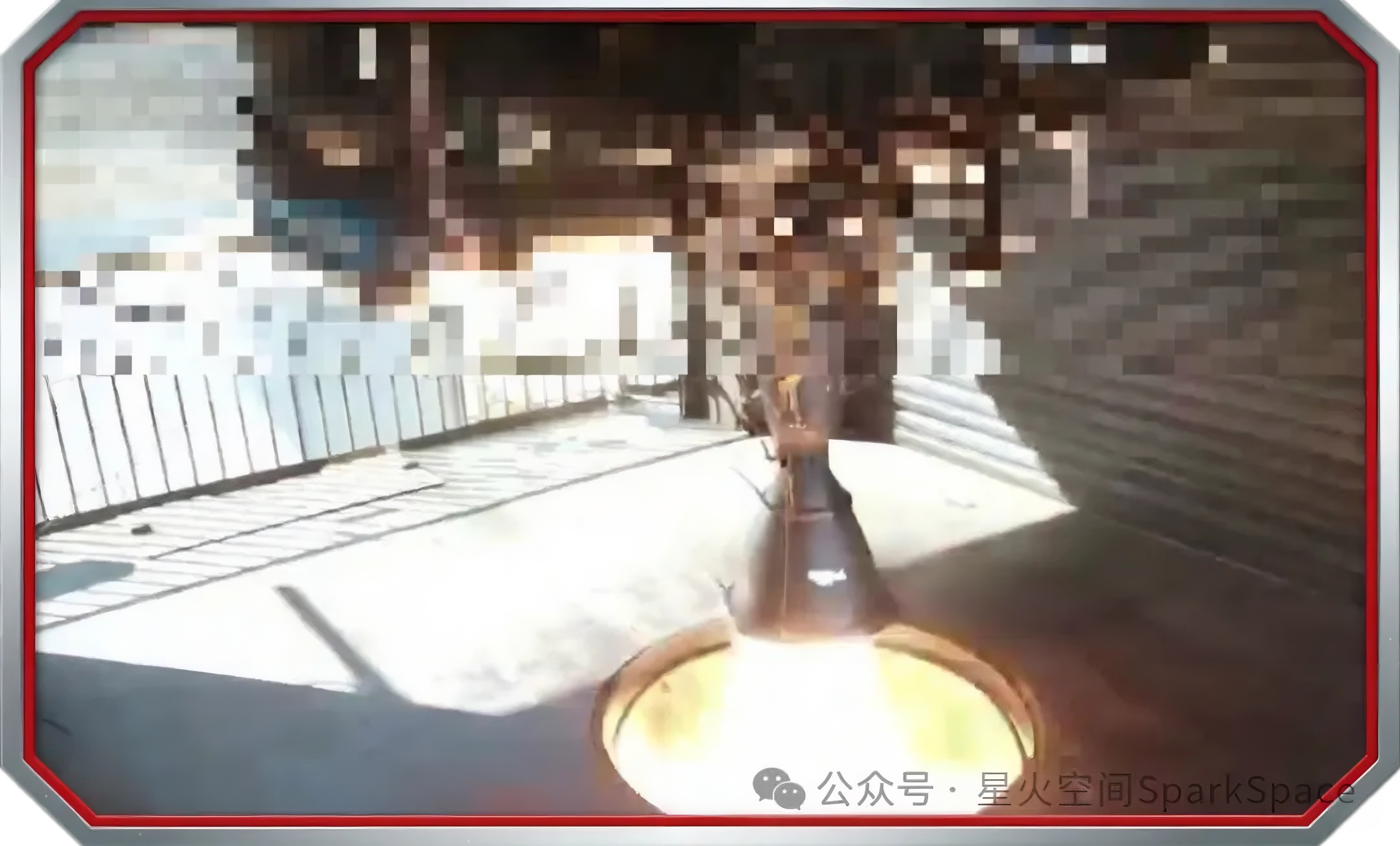
Spark Space (星火空间) shared on February 14th that it has successfully fired up its electric-pump-fed cycle Lieyan-2 (烈焰二号) engine in the company’s first round of test firings. Those firings, hailed as a success, verified Lieyan-2’s ignition stability and subsequent vibrations and pressures from continued operation.
The first set of tests did not look into confirming a flight-duration burn or various throttle levels. Before test firings, burning rocket-grade kerosene and liquid oxygen in Lieyan-2, various components had flow tests performed with water running through them, driven by the engines’ pumps.
Throughout the rest of the year, Lieyan-2 will undergo further and more extensive testing. Spark Space plans to have its Lieyan-2 engines generating 10 tons of thrust to power its in-development Jinhua-1 (进化一号) launch vehicle.
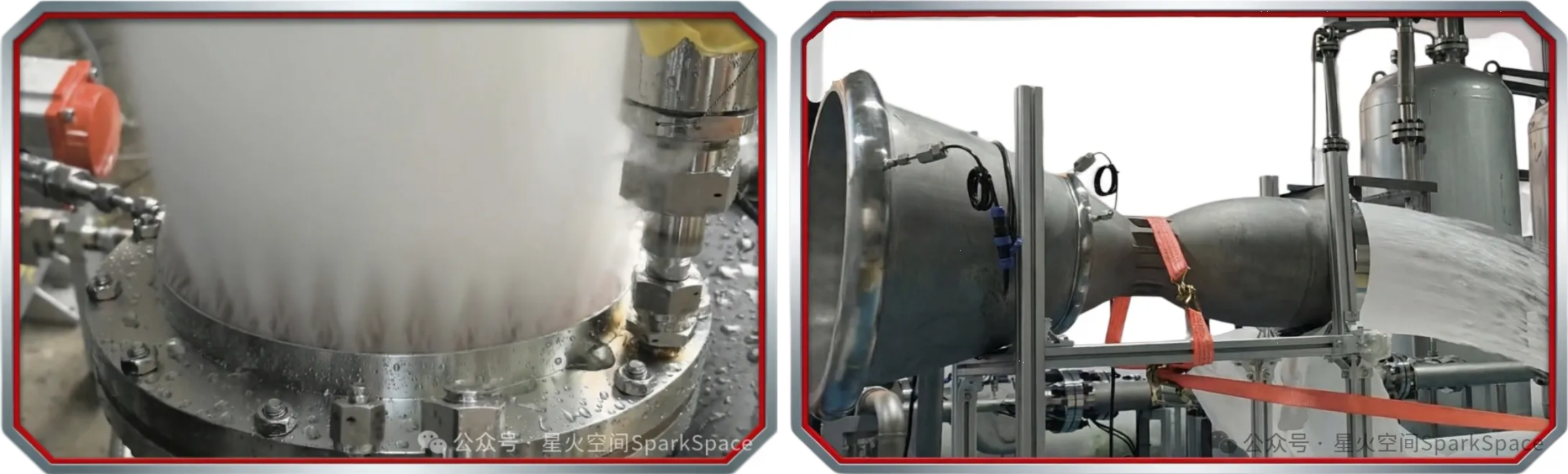
Alongside the first engine test, the company announced that it has secured over 100 million Yuan (14.47 million United States Dollars, as of February 16th) in cumulative funding, following previously known angel and seed rounds in 2025. Investors contributing capital are both private and Hefei (合肥市)1 government-linked, with a few providing comment on why they chose to back Spark Space:
Youshi Capital (优势资本): “[We have] long been deeply involved in the commercial space and satellite internet sectors, firmly believing in Spark Space’s technological potential and broad prospects in electric-cycle liquid launch vehicles. Comparing it to industry pioneer Rocket Lab, whose ‘Electron’ rocket, as the world’s first electric-pump-cycle rocket to successfully reach orbit, has fully demonstrated that the technical approach of replacing turbopumps with electric pumps, simplifying structures, reducing costs, and enabling high-frequency launches holds significant industrial and capital value.”
Xingtai Capital Investment (兴泰资本投资): “Spark Space is undertaking a project that is sufficiently hardcore, sufficiently imaginative, and undoubtedly sufficiently solid and reliable; developing China’s first electric-cycle launch vehicle. This technological breakthrough not only fills a domestic gap but will also provide a new option for my country's commercial space launches in the future, thanks to its unique advantages of low cost, high reliability, and rapid deployment.”
If there are any problems with this translation please reach out and correct me.
Capital raised by Spark Space is being used to develop the expendable two-stage Jinhua-1 launch vehicle, designed to be capable of sending up 1,500 kilograms into low Earth orbit. Both stages of the launch vehicle will be powered by Lieyan-2 engines, with nine on the first-stage and a single vacuum-optimized engine powering the second-stage.
Production of Jinhua-1 and Lieyan-2 engines began in December 2025 when Spark Space opened its dedicated manufacturing facility in Hefei National High-Tech Industry Development Zone (合肥市新站高新区). As of the end of 2025, Jinhua-1 is expected to perform its debut flight in 2027.
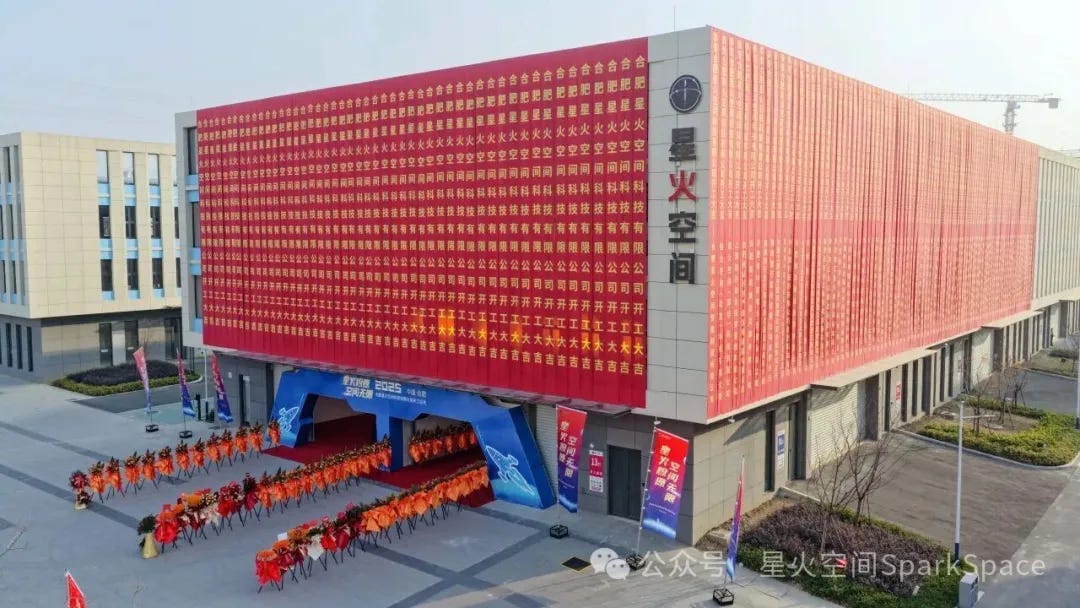
In Anhui (安徽) province.