

Long March 12 Series Jiuquan Launch Pad Complete Ahead of Reusable Rocket Debut
New facilities have been completed at the Jiuquan Satellite Launch Center to support reusable Long March launch vehicles.

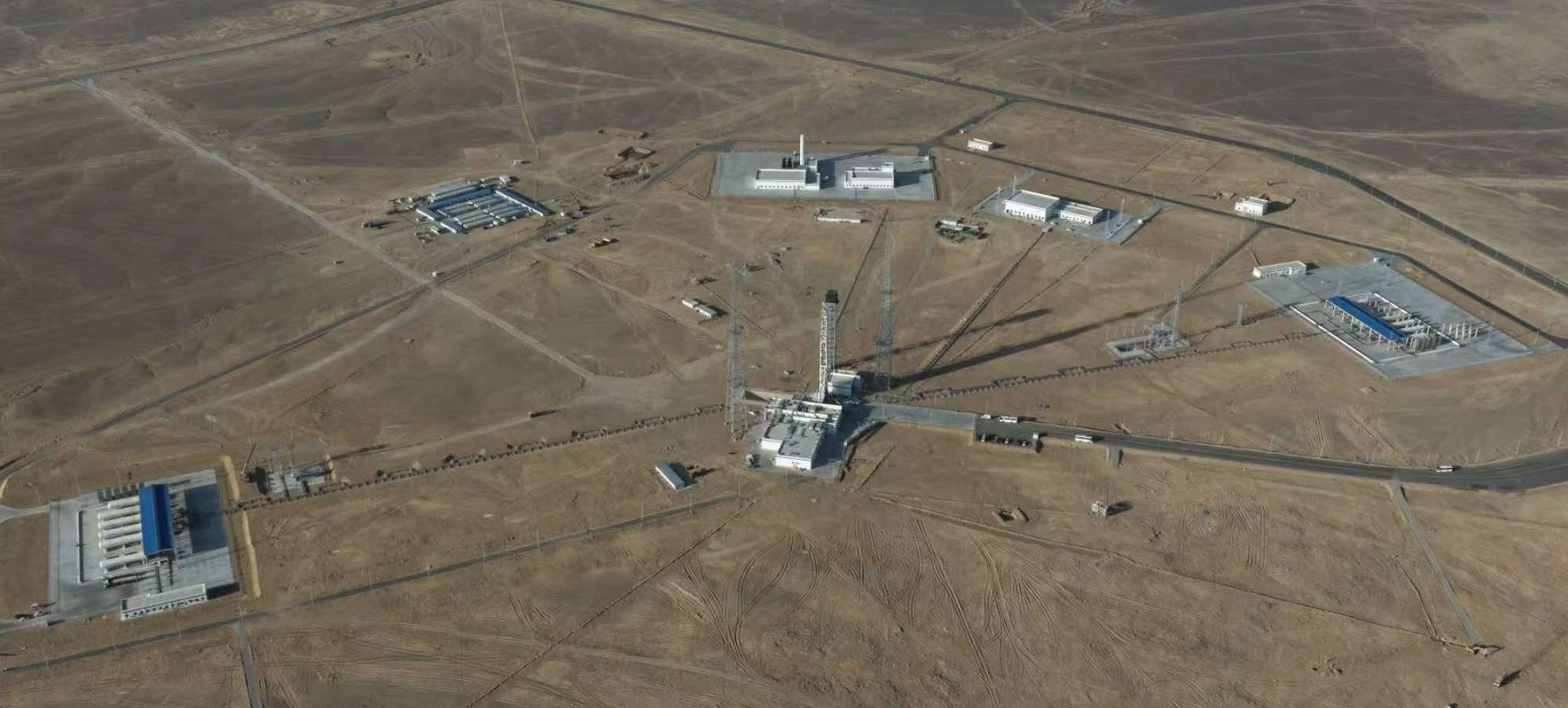
The partially reusable Long March 12A launch vehicle from the Shanghai Academy of Spaceflight Technology is preparing to perform its debut flight in the coming weeks, off of a newly completed launch pad at the Jiuquan Satellite Launch Center.
On December 2nd, China Aerospace Science and Technology Commercial Launch Vehicle Group Co Ltd (中国航天科技集团商业火箭有限公司) shared that the Long March 12A’s launch pad had completed acceptance testing, marking the end of its construction and clearance for operation with launch missions. The pad, which is yet to have a designation shared, boasts two lightning diversion towers, propellant tanks and plumbing to load vehicles with liquid methane and liquid oxygen, as well as a mount for a rockets transporter-erector above its flame diversion trench.
Work on the pad began rather recently in spaceflight timescales, with a ‘launch’ meeting taking place in May 2025, where a targeted completion of mid-October was declared. Just six weeks behind schedule, it was completed and was hosting a rocket.
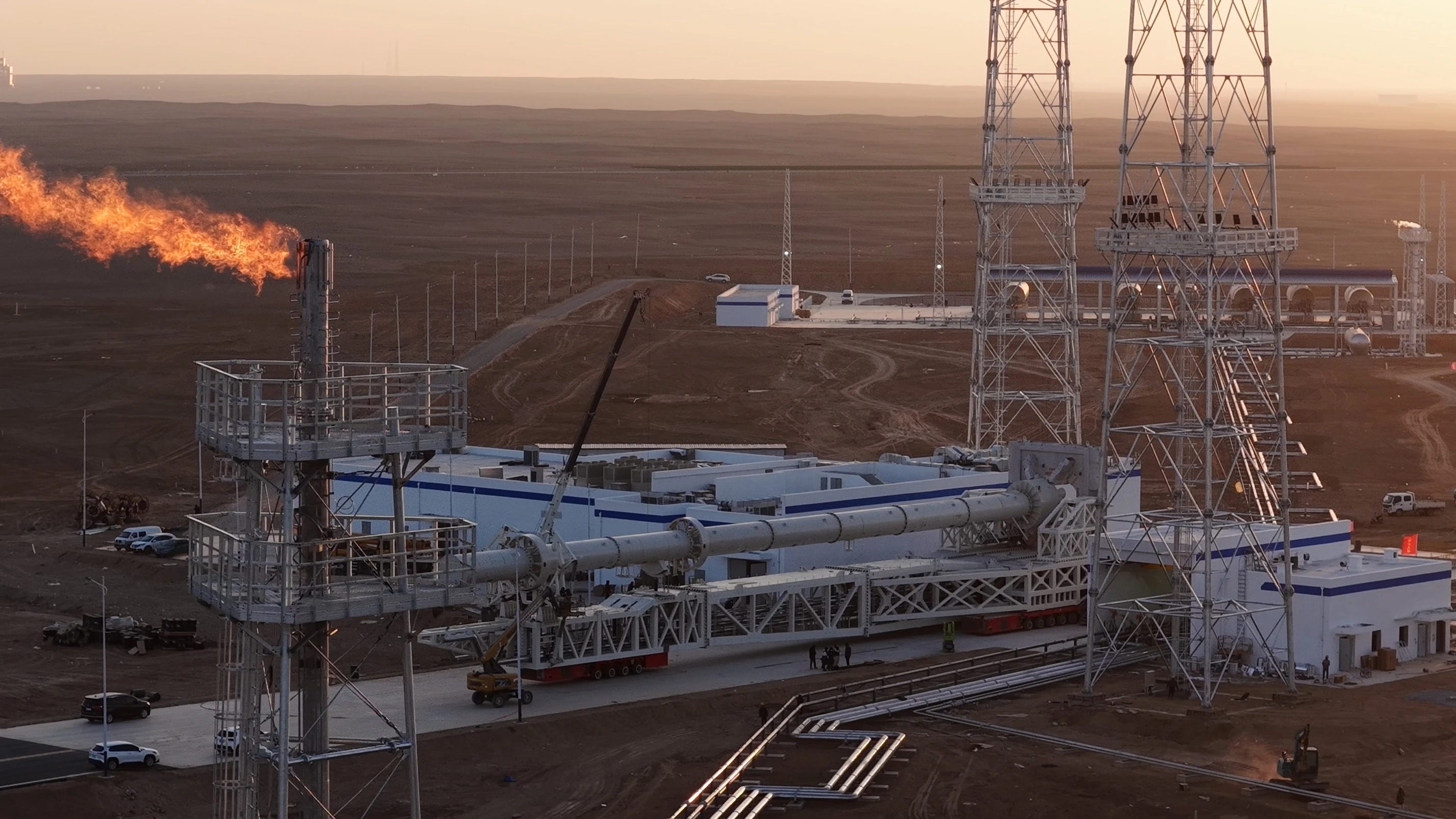
The transporter-erector for the Long March 12A, tested in November, has a similar design to that used with the Long March 12 at the Wenchang Commercial Space Launch Site. That is not surprising, as the Shanghai Academy operates both vehicles under its three-rocket Long March 12 series1, but it may mean that members of the rocket series could fly from both sites depending on customer needs, something hinted at by officials in February 2024.
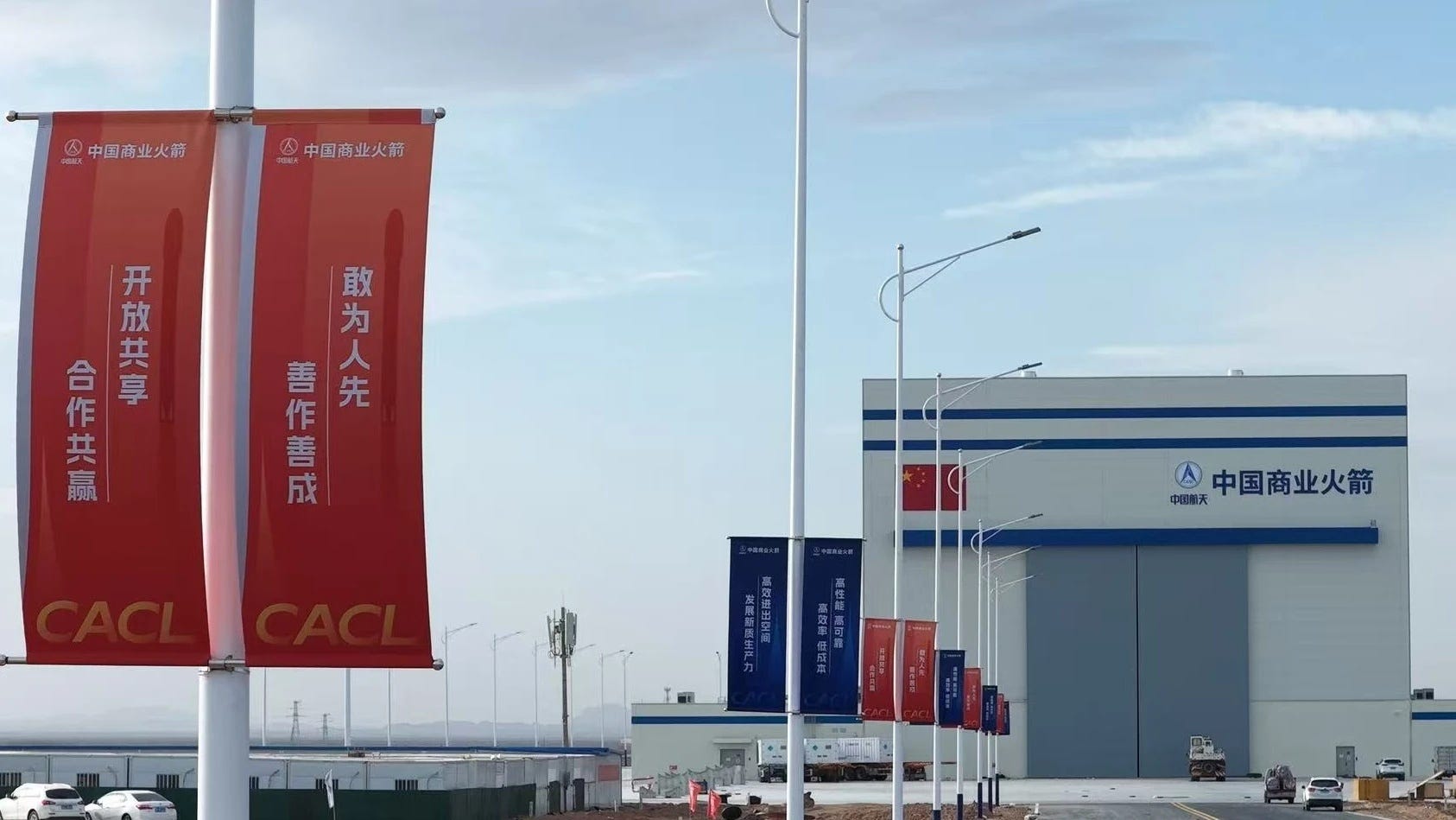
A launch pad is only half of what's needed for launch. A horizontal vehicle assembly building has been completed too, but with details limited to what’s discernible from images. Satellite imagery shows that the facility is not overly large, compared to similar Wenchang facilities for the Long March 12 series.
Not at Jiuquan but still relevant to the pad and the reusable rockets launch from it, a landing pad has been completed roughly 300 kilometers away in Minqin County (民勤县), in Gansu (甘肃) province, where LandSpace has a landing pad too. Information about the landing site has only been obtained by satellites, providing enough to know work began in early August and was completed in mid-October. Systems for first-stage booster safing and fire suppression are likely present.
At the time of writing, the Long March 12A Y1 vehicle is currently on the launch pad, preparing for its debut flight, and hopefully China’s first booster landing. However, due to the opaque nature of the rocket’s development so far, it’s unknown if that vehicle will conduct a static fire before flight. A static fire would prove that all systems of the rocket and launch pad can work in parallel, reducing potential risk.


Consisting of the thrice-flown Long March 12, the soon-to-debut partially reusable liquid methane and liquid oxygen fuelled Long March 12A, and the partially reusable rocket-grade kerosene and liquid oxygen burning Long March 12B. All three launch vehicles will have the same fairing options while having two stages. Two of them have the same diameter, with the Long March 12B being 4.37 meters wide.