

U.S. Sanctions Three Chinese Space Firms Over Alleged Iran Ties
Unlikely to have a real-world effect, the vague sanctions are in place anyway following accusations from last month.

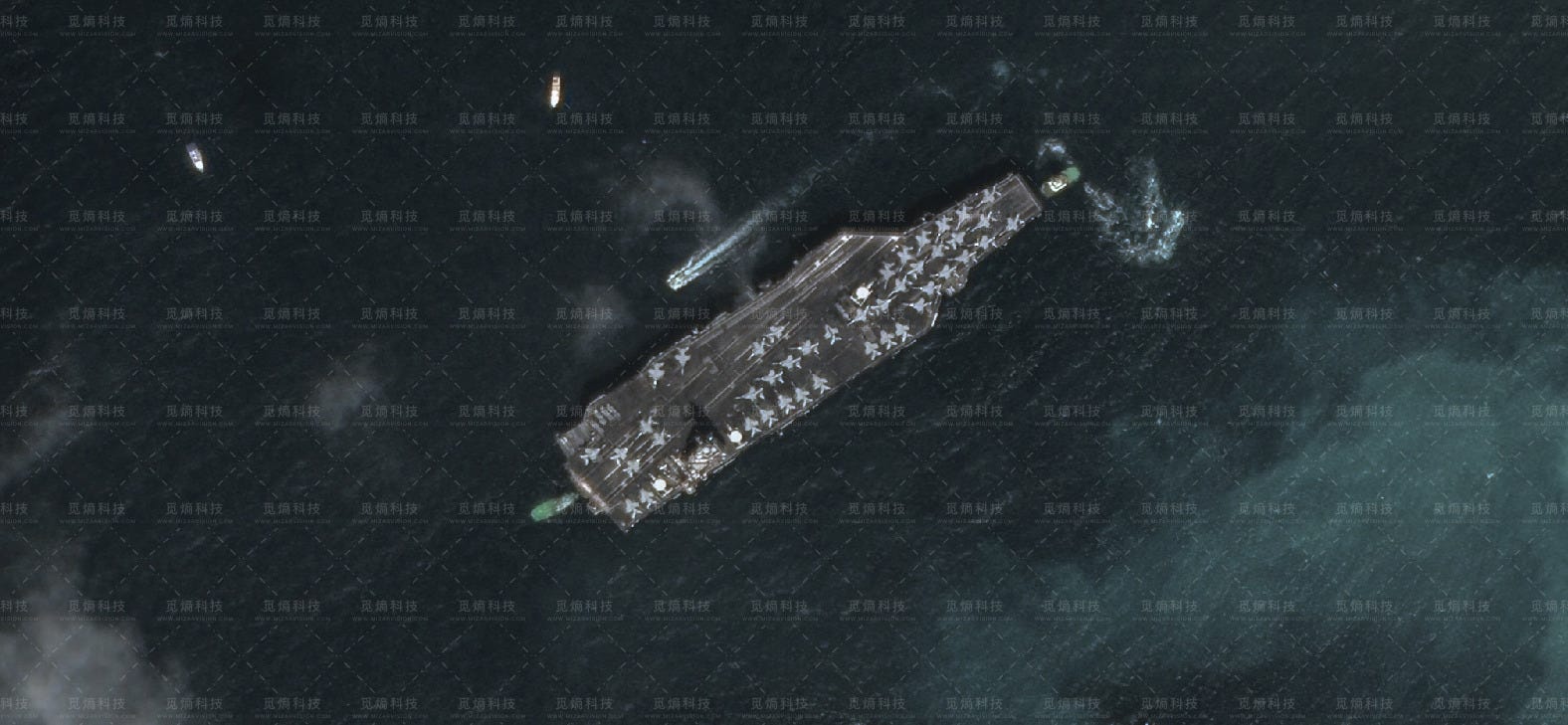
On May 8th, the U.S. Department of State announced it is applying sanctions to three China-based space-utilizing firms over alleged ties to Iran, as part of Western superpowers’ latest Middle Eastern campaign. The three enterprises targeted are:
Earth Eye Co (沐美星空), for allegedly providing satellite imagery of requested locations to Iran.
MizarVision (觅熵), for using open-source information and imagery sold from Western satellites to track U.S. military assets across and around the region.
And Changguang Satellite Technology Co Ltd (长光卫星技术股份有限公司), for probably collecting images of U.S. assets via its over one hundred Jilin-1 (吉林一号) Earth imaging satellites.
Those sanctions come a few weeks after the Financial Times claims to have seen leaked documents from Iran’s Islamic Revolutionary Guard Corps’ Aerospace Force asking Earth Eye Co to use its TEE-01B (地球之眼1号卫星) remote sensing spacecraft for image collection, having acquired access after a September 2024 deal, almost eighteen months before the current conflict began. TEE-01B was launched in June 2024 after being built by Changguang Satellite Technology, who have previously been a target of U.S. action.
Emposat (航天驭星), a Chinese satellite tracking, telemetry, and control enterprise, was also accused by the Financial Times of providing data downlink and uplink for TEE-01B as part of the September 2024 deal, but was not sanctioned. On April 19th, the enterprise declared that they have no knowledge of Iran or any other military actors using its services.
The accusations levied against MizarVision and Changguang Satellite Technology by the Department of State are quite vague and are likely because the two companies were continuing to share Middle Eastern satellite imagery while U.S. Earth imaging firms such as Planet Labs and Vantor (formerly Maxar) had indefinitely halted their publishing at government request to hide the extent of damage from retaliatory strikes. A May 7th piece in the Washington Post revealed the far-reaching extent of the precision retaliation using delayed imagery from those firms.
Within China, the sanctions may be totally ignored1, like the recent oil ones were, through the 2021 ‘Rules on Counteracting Unjustified Extra-territorial Application of Foreign Legislation and Other Measures (阻断外国法律与措施不当域外适用办法)’. Additionally, since they came into effect, Changguang Satellite Technology and MizarVision have been publicly communicating as if no such U.S. sanctions are in place.
Reuters has previously reported that China’s Ministry of Foreign Affairs (中华人民共和国外交部) and embassy in Washington D.C. denied any state links to the claimed activities of Earth Eye Co and Changguang Satellite Technology.
Official statements from the Ministry of Foreign Affairs on May 11th 2026 are:
“China firmly opposes illicit unilateral sanctions that have no basis in international law or the authorization of the UN Security Council. The Chinese government always asks Chinese companies to operate in accordance with laws and regulations. We will firmly protect Chinese businesses’ legitimate rights and interests.”