

China Opens Dozens of Rocket Launches to International Satellites
Until the end of 2027, fifty-four launches via Chinese launch vehicles are available to foreign satellites.

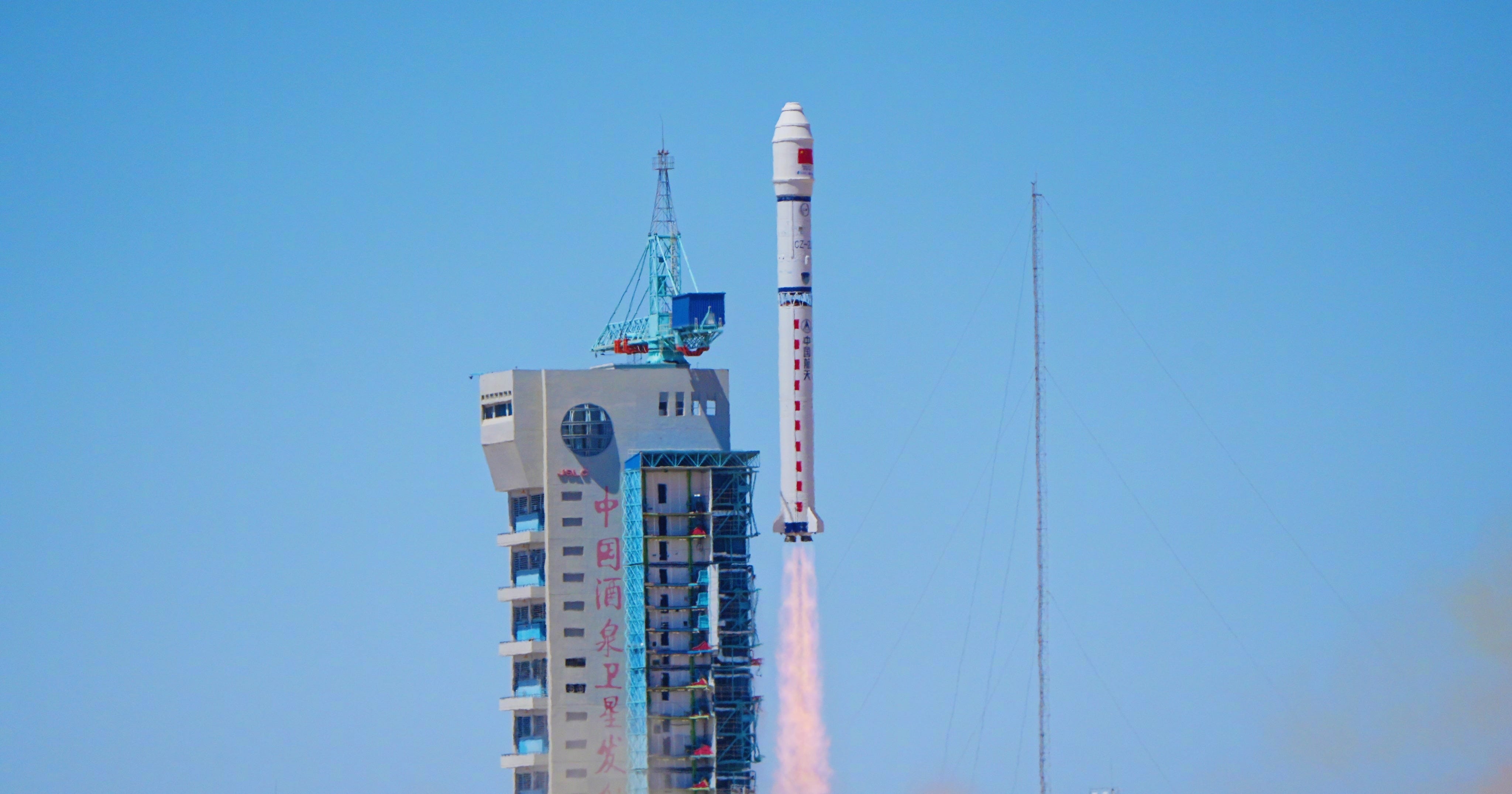
So far this year, a handful of international payloads have been delivered to orbit by Chinese launch vehicles, with the services procured through China Great Wall Industry Corporation, a state-owned enterprise that has an effective monopoly on offering China-based launch solutions to foreign clients. In recent days, the enterprise has updated its rideshare launch opportunities offerings from August 2026 to the end of 2027.
Those offerings list twenty-nine opportunities for placing satellites weighing 50 to 17,900 kilograms into sun-synchronous or low Earth orbit, with twenty-two of them having targeted launch months or quarters set. Seven of the listed opportunities are set to repeat three to six times, for a total of fifty-four launch missions available to foreign satellites.
Any international clients wanting to utilize those opportunities will need to discuss with China Great Wall which one works best for them. The same goes for domestic satellites.
As for which launch vehicles will fly those missions is not stated, but LandSpace says it is involved over the 2026 to 2027 period with payloads and orbits aligning with the capabilities of Zhuque-2E and Zhuque-3. Some listed orbits and fairing sizes align with Galactic Energy’s Ceres-1 as well. The remainder of the opportunities orbits can be reached by members of the Long March vehicle family.
In comparison to previous years, the offerings listed by China Great Wall are a significant increase. For the 2022 to 2023 period six missions were offered. Over 2024 and 2025 ten launches were available.
Since their founding, China Great Wall says, as of the end of April 2026, they have delivered one hundred and six satellites on behalf of many international customers1, alongside three hundred and twenty-six from domestic clients. Those have been through one hundred and seven procured launches, with fifty-two of them being rideshares, since the enterprise’s founding in late 1980.
What these launch opportunities may also signal is a coming significant increase in China’s launch cadence. Back in 2024, the China Aerospace Science and Technology Corporation, the nation’s dominant space contractor, expected one hundred launches to take place that year. By year’s end, only sixty-eight had taken place, followed by ninety-three in 2025. After the 2024 goal was missed, a new one was not shared publicly for 2025, with the same one believed to have been an industry target anyway.
Now in 2026, members of the industry believe up to one hundred and forty launch missions could occur. With China Great Wall’s fifty-four launch opportunities, probably entailing a form of backing to a launch provider, there is likely significant impetus and near future ability in the industry to boost China’s yearly launch count.
Some of those missions for international customers have also had China Great Wall procuring a satellite on behalf of the client at their request.