

Observatory by U.S., Hong Kong Led Team Heading to the Moon via Chang'e 7
Expected to run for a lunar day, the instrument is set to capture stunning photos from an entirely new vantage point for night-sky observations.

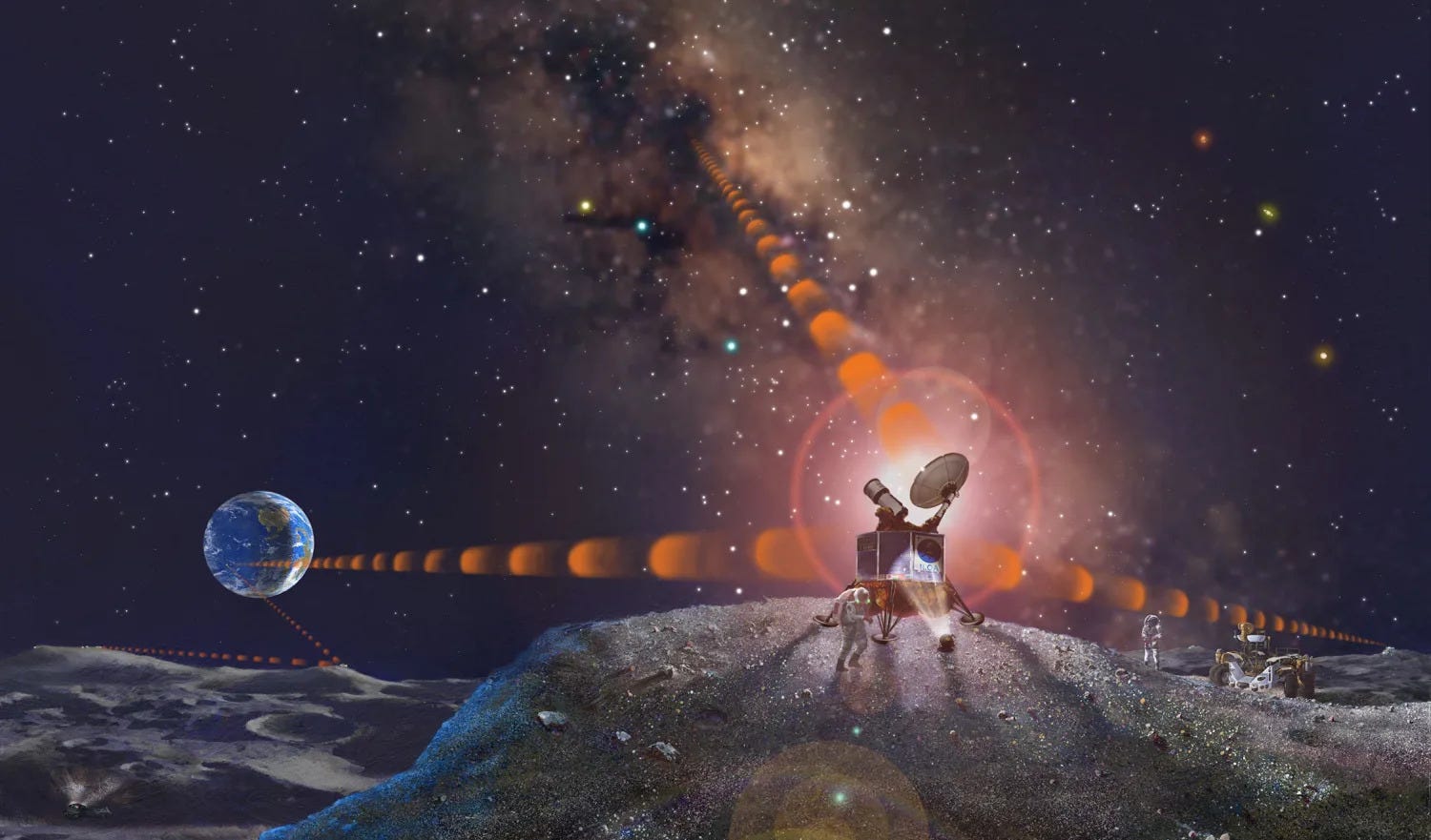
Currently under final preparations at the Wenchang Space Launch Site, the robotic Chang’e 7 mission to the Moon’s south pole will launch in several weeks, landing later in the year. The mission will bring a handful of international instruments alongside the many Chinese ones, with one being the product of joint work between the United States and Hong Kong, the ILO-C astronomical observatory.
Before the mission departs for the Moon, China in Space reached out to Interim Executive Director Elisa Perednia at the Hawai’i-headquartered International Lunar Observatory Association to inquire about how an instrument collaborated on by American, Hong Kong, Chinese, and other global researchers came to be and what it will be up to.
First for readers unfamiliar with the you, what is the International Lunar Observatory Association (ILOA)?
We are a non-profit based in Hawai’i, USA with the main goal of expanding knowledge of the cosmos through observations conducted from the Moon’s surface. Our missions consist of small instruments which can be used to image the celestial sky and the lunar surface.
What is the importance of the ILO-C instrument you have on Chang’e 7?
Beyond the scientific data that we will gain from the ILO-C payload, the project itself is an incredible effort of cooperation, collaboration and trust among international people that was enabled by ILOA’s Founding Director Steve Durst who worked with Chinese aerospace representatives since the 1980s. His efforts and vision have led ILOA to utilize the opportunity offered by CNSA1/DSEL2 to have our payload land on the Moon for peaceful, inclusive and scientific reasons.
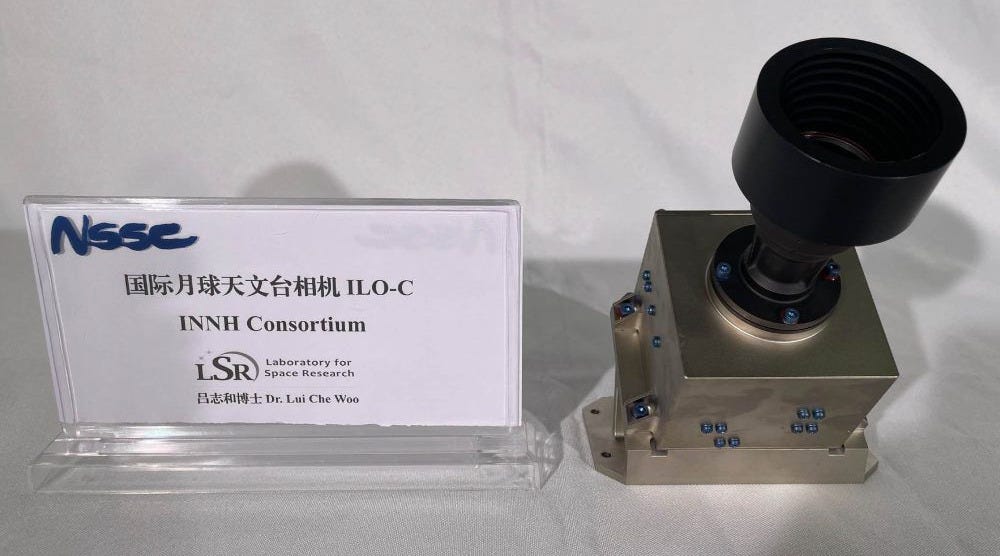
ILO-C is a collaboration with the University of Hong Kong’s Laboratory for Space Research (HKU LSR), how did that come about?
ILOA’s proposal for a small camera was selected to fly on Chang’E-7 before we had any contact with HKU Laboratory for Space Research. Due to certain constraints, ILOA was unable to continue with our original Canadian contractor to provide the ILO-C instrument, but because of ILOA’s desire to fulfill the ILO-C mission and our long-standing relationship with National Astronomical Observatories Chinese Academy of Sciences (NAOC-CAS), we were introduced to Prof. Quentin Parker and his group at HKU LSR. They were very enthusiastic about our ILO-C mission and offered to partner with us to find an instrument builder in China. We are grateful for their understanding of the situation and their generous support.
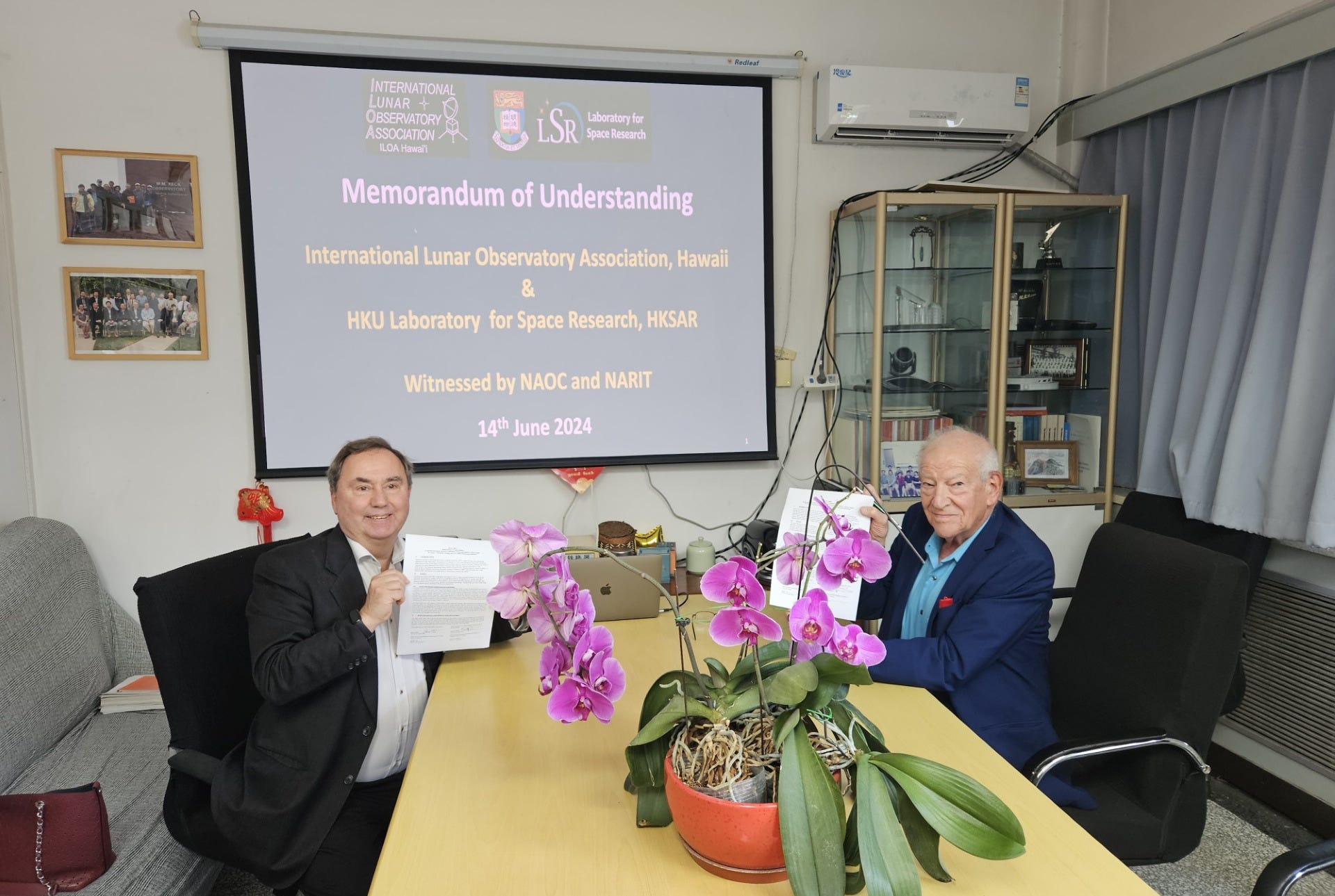
And how did that collaboration enable its inclusion on Chang’e 7?
Our partnership with HKU LSR has ensured that the instrument’s production, engineering timelines, and other key details were coordinated in China with the highest care and dedication.
After partnering on the project, how were technical decisions decided between ILOA and with the University of Hong Kong?
We have had many in-person and online meetings between ILOA and HKU LSR, which also included inputs from the international ILO-C science team. Ultimately efforts and suggestions of the HKU LSR and the ILO-C science teams led ILOA to make final decisions for our project. Once the instrument was chosen, the process has been relatively smooth and straightforward thanks to our good partnership with HKU LSR, and the communication from DSEL.
Previously the ILO had access to Chang’e 3’s Lunar Ultraviolet Telescope, has that informed anything about ILO-C?
ILOA benefited from the previous experience with NAOC-CAS and CNSA protocols, scientists and engineers. It also increased our appreciation for China’s lunar landing program and its scientific results.
Chang’e 7 plans to be operating for around eight years on the lunar surface, how long is ILO-C planned to stay nominally active?
The agreement is for the ILO-C instrument to operate on the lunar surface for one lunar day3.
For imaging by ILO-C you have picked a Sony IMX253 sCMOS4 to collect data every three seconds, why?
Our team strategically chose a 3-second cadence because the camera is fixed, therefore a longer exposure will trail star images across more than one pixel. Solar radiation is always an issue, but we have confidence the camera will survive long enough to take some iconic astronomy images from the Moon.
How soon do you expect to start receiving images of the ‘lunar sky’ seen from the South Pole after a successful landing?
We hope to receive the images as soon as possible, but this will be decided by mission control.
Lastly, how does the ILO label the ILO-C in terms of its ‘nationality’ so to say?
The first word in our organization’s name is “International” and this project truly reflects that global commitment. In addition to participants from Hawai’i, USA and China, the initiative also includes people from Thailand and Indonesia, as well as the ILOA Board of Directors based around the world. Thanks to the international payload opportunity provided by CNSA, our ILO-C project is one of the first USA–China lunar cooperation missions.
China National Space Administration.
Deep Space Exploration Laboratory.
That is, if landing at the start of one, about fourteen days under sunlight followed by another fourteen in darkness.