Tianwen-2 Approaching Asteroid Kamoʻoalewa For Sample Collection
Descent towards the asteroid with the robotic spacecraft could begin as soon as next week, ahead of sample gathering efforts in the remainder of the year and early 2027.

Having launched over a year ago, the Tianwen-2 asteroid sample return mission has been quietly floating through our solar system towards its target, 2016HO3/469219 Kamoʻoalewa.
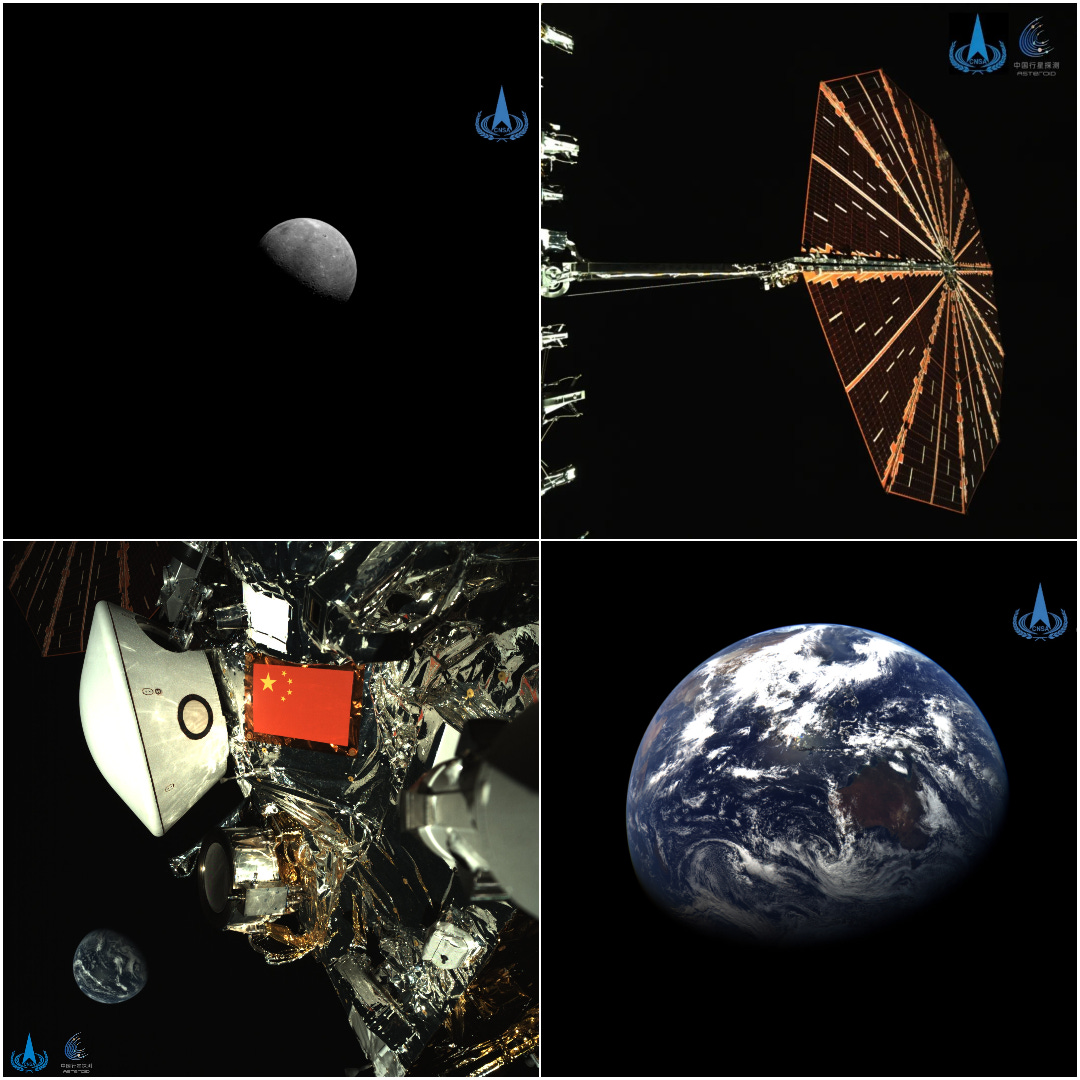
Updates from the China National Space Administration about how the mission has been few, as part of a strategy to retain public interest through its primary and extended mission. The first item shared about the mission came a little over a week after launch, showing one of the circular solar panels unfurled, followed by stunning images of the Earth and Moon on July 1st. At the halfway point to Kamo’oalewa in October, another image was shared, captured by a videocamera on the end of a robotic arm, presenting the sample return capsule and Earth in the distance during departure.
So far this year, a presentation at the United Nations in February and a press conference in April shared that the Tianwen-2 spacecraft is healthy in deep space.
Beyond official updates, ground stations and observations of radio signals have indicated that the spacecraft continues to regularly communicate with Earth and is possibly preparing to perform an arrival burn. According to a leaked schedule, Tianwen-2 will rendezvous with Kamoʻoalewa around June 7th, starting its descent towards it.


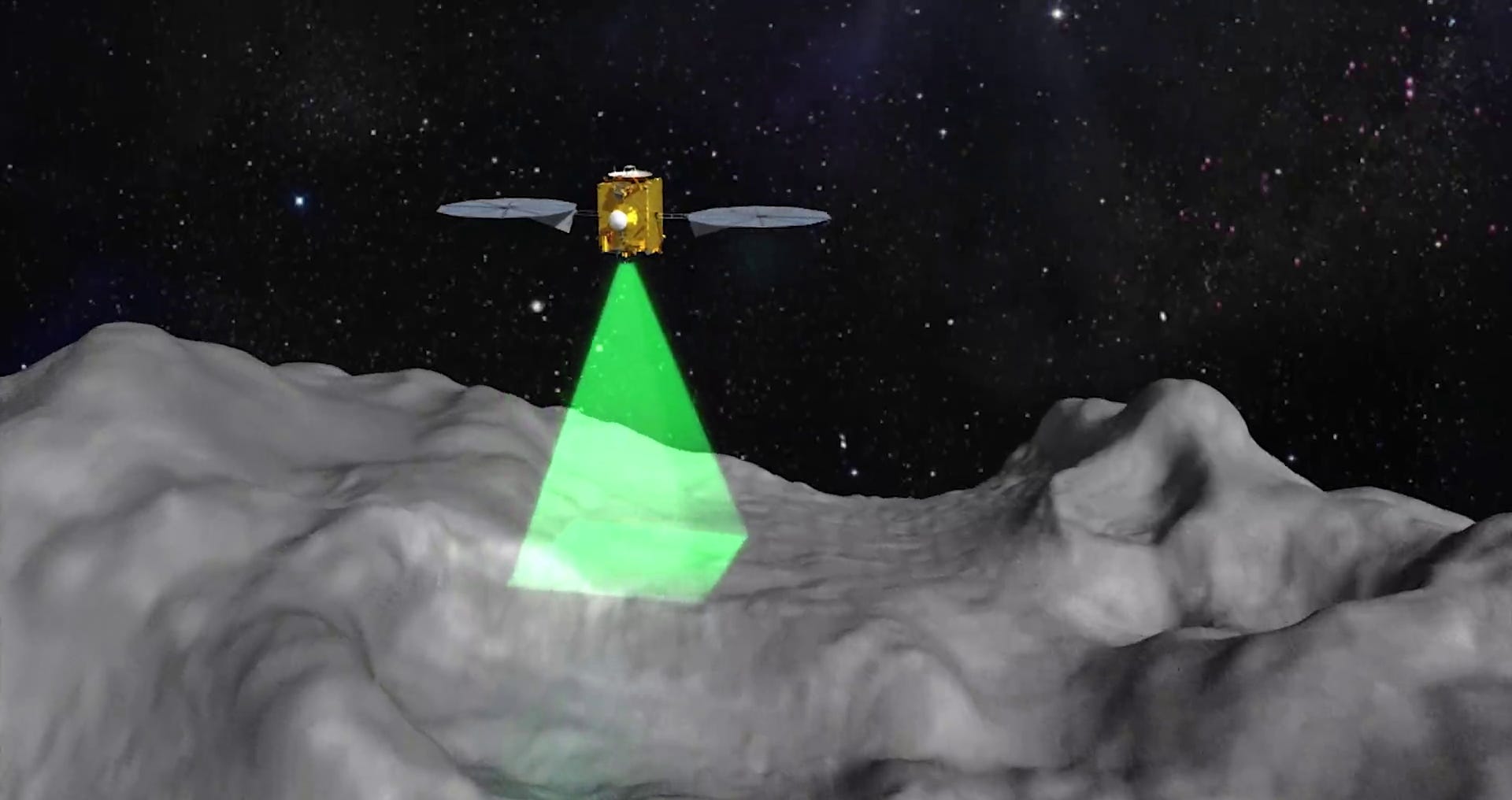
After arrival, the same schedule says that the spacecraft will spend time from July to April 2027 observing and characterizing the asteroid, then collecting between 200 and 1,000 grams of samples via touch-and-go as well as anchor-and-attach methods. Instruments onboard support the Tianwen-2 in surface and subsurface composition analysis, thermal and magnetic measurements, and asteroid environment monitoring.
Those instruments may verify how Kamoʻoalewa developed, the subject of a new China-led research paper, in its present orbit near Earth. Its samples will provide insight into that too.
Once Kamoʻoalewa samples are verified to be secure, Tianwen-2 will depart from the asteroid before the end of April 2027 during a window that will have it fly by Earth. During that flyby, expected to be during November 2027, the sample return capsule will be released to target a landing at a site near the Jiuquan Satellite Launch Center used for Shenzhou crew returns. While the capsule is heading through the atmosphere, Tianwen-2 will boost itself to begin its extended mission.
That extended mission will see the spacecraft flying out to the asteroid belt between Mars and Jupiter, to primarily focus on asteroid 311P/PanSTARRS before the end of 2034. Operating out there will also double as a test of China’s deep space communications infrastructure ahead of the Tianwen-4 mission to Jupiter. In addition, the primary and extended mission is providing insight into how to approach and survey asteroids, something needed for a deflection test expected to begin in late 2027.