

China Places UAE University Satellite into Orbit from Taiyuan [Long March 2C]
A vaguely described UAE-owned satellite is likely to conduct remote sensing tasks following its orbital delivery.

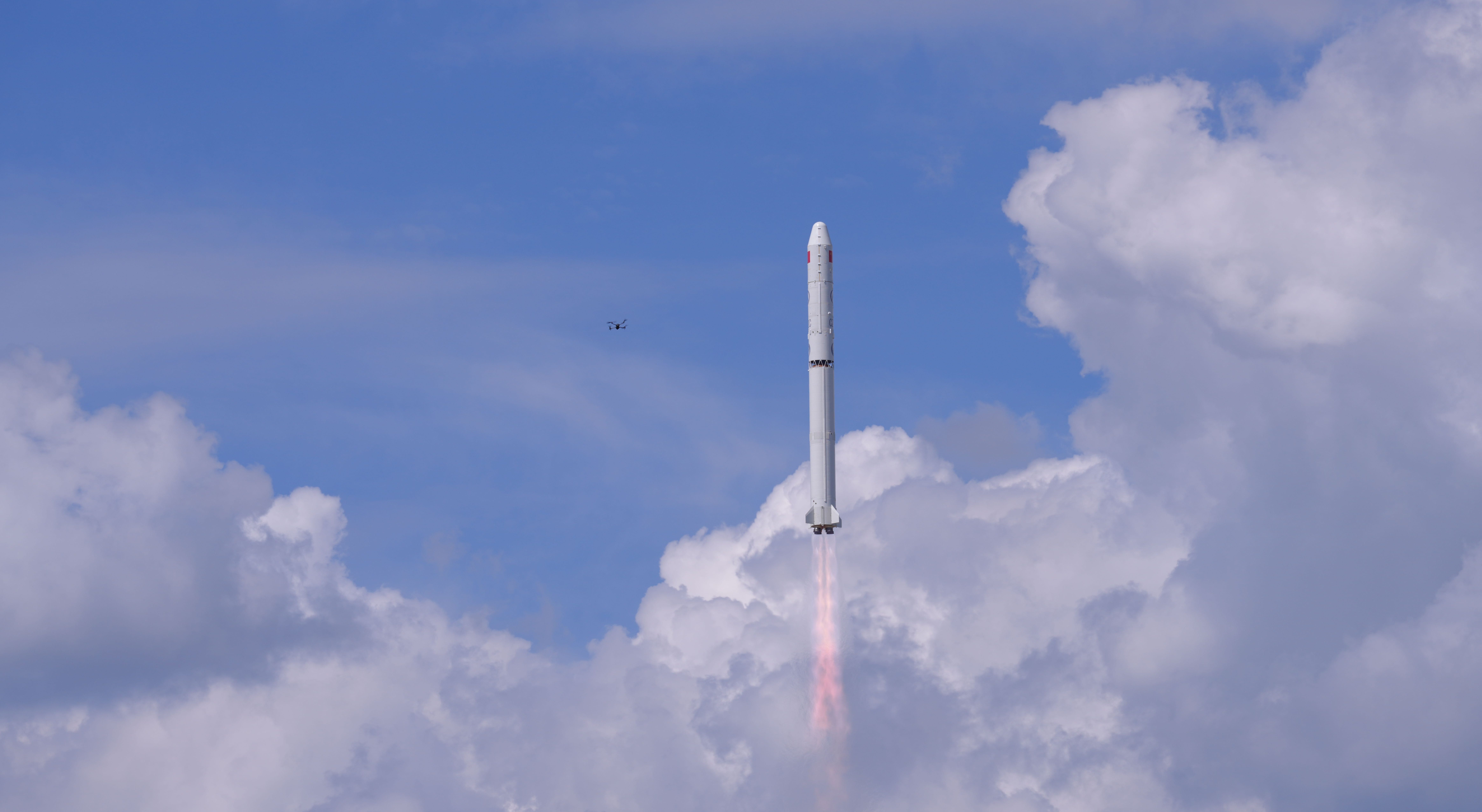
A Long March 2C lifted off from Launch Complex 9 at the Taiyuan Satellite Launch Center at 11:02 am China Standard Time (03:02 am Universal Coordinated Time) on August 17th, heading towards a sun-synchronous orbit for an international client.
Being launched was the ‘SEO’ satellite from the National Space Science and Technology Center at the United Arab Emirates University, the Middle Eastern nation’s oldest public university. Publicly announced a month ago, the mission around the satellite is primarily to advance Emirati talent in regard to space technology by getting ‘hands-on’ with ground station facilities as well as assembly, integration, and testing best practices.
China provided some technical support for the satellite along with a launch solution, procured via China Great Wall Industry Corporation. A post-launch statement from that enterprise points towards ‘SEO’ being tasked with remote sensing:
“[…] an ambitious step toward utilizing space technologies to support sustainability and future development. [‘SEO’] seeks to provide data and insights that contribute to environmental protection, natural resource management, and enhanced planning and decision-making efficiency.”
Very similar descriptions have been provided for other global clients’ remote sensing spacecraft previously.
This mission from Taiyuan was China’s sixth launch of the year carrying a spacecraft from another nation. January saw Algerian remote sensing satellites depart Jiuquan twice, followed by Pakistani Earth observation spacecraft in February and April, and then a sea launch carrying satellites for Indonesia and Uzbekistan earlier this month.
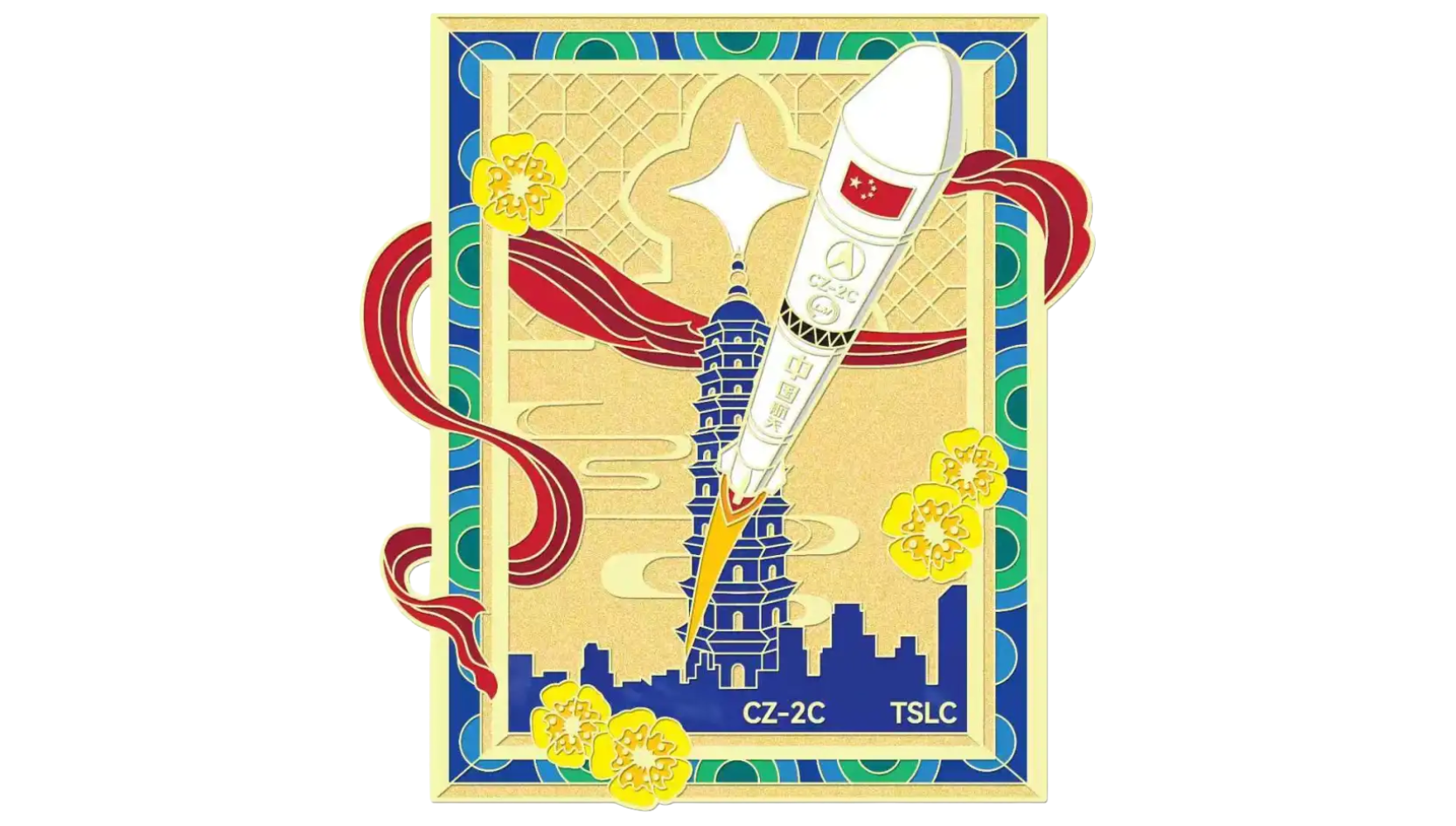
While declaring the success of the launch mission, the China Academy of Launch Vehicle Technology did not share whether any adjustments were made to the Long March 2C or its processes ahead of launch, unlike previous ones this year. It was, however, the vehicle’s third time flying with an all-white paint scheme and its fourth mission of the year as part of a ‘high-frequency cadence’.
Today’s launch was the 88th launch of the Long March 2C, and the 664th launch of the Long March launch vehicle series. This was also the 58th launch from China in 2026.
Liftoff video via 我们的太空 on WeChat.
Check out the previous Long March 2C launch
Mysterious Shiyan Research Satellite Launched From Cloudy Jiuquan [Long March 2C/YZ-1S]
![Mysterious Shiyan Research Satellite Launched From Cloudy Jiuquan [Long March 2C/YZ-1S]](https://substackcdn.com/image/fetch/$s_!1qJH!,w_1300,h_650,c_fill,f_webp,q_auto:good,fl_progressive:steep,g_auto/https%3A%2F%2Fsubstack-post-media.s3.amazonaws.com%2Fpublic%2Fimages%2F741b155f-5620-472e-b973-426c69b3e344_2560x1300.jpeg)
On March 27th at 12:11 pm China Standard Time (04:11 am Universal Coordinated Time), a Long March 2C lifted off from Launch Site 94 at the Jiuquan Satellite Launch Center, coated in low-lying clouds, carrying a single payload toward…
What is the Long March 2C?
This section is for those less familiar with China’s Long March series of launch vehicles.
The Long March 2C is one of the oldest launch vehicles from China performing missions regularly to low Earth and sun-synchronous orbits by the China Academy of Launch Vehicle Technology. The two stages of the launch vehicle both burn Dinitrogen Tetroxide and Unsymmetrical Dimethylhydrazine.
The payload capacity of the launch vehicle is currently as follows:
3,850 kilograms to low Earth orbit
1,900 kilograms to a sun-synchronous orbit
1,250 kilograms to a geostationary transfer orbit
The first-stage is powered by four YF-21C engines, which generate 302 tons of thrust burning Dinitrogen Tetroxide and Unsymmetrical Dimethylhydrazine. The second-stage is powered by a single YF-22E engine and four YF-23C verniers that generate 80 tons of thrust while also burning Dinitrogen Tetroxide and Unsymmetrical Dimethylhydrazine.
On the launch pad, the Long March 2C is 42 meters tall and weighs 233,000 kilograms when fully fuelled. The first and second stages have a diameter of 3.35 meters, with the fairing having a diameter of either 3.35 or 4.2 meters.
So far the Long March 2C has flown from all three inland launch sites, the Jiuquan Satellite Launch Center, the Taiyuan Satellite Launch Center, and the Xichang Satellite Launch Center.